

Key Takeaways
-
316L stainless steel is a low carbon version of 316 grade with superior corrosion resistance and weldability
-
Contains 2-3% molybdenum for enhanced resistance to pitting and crevice corrosion in chloride environments
-
Immune to sensitization during welding, making it ideal for heavy gauge welded components over 6mm thickness
-
Offers excellent performance in temperatures ranging from cryogenic to elevated conditions
-
Available in multiple forms including bar, tube, and sheet with various finishes and specifications
When it comes to corrosion resistant properties in demanding industrial environments, few materials match the versatility and reliability of 316l stainless steel. This marine grade stainless steel has become the standard molybdenum bearing grade for applications requiring maximum corrosion resistance in warm chloride environments and beyond.
As a low carbon version of the widely recognized 316 stainless steel, this austenitic stainless steel grade offers improved corrosion resistance while maintaining excellent mechanical properties. Whether you’re specifying materials for petrochemical equipment laboratory benches or designing heavy gauge welded components for offshore platforms, understanding the unique characteristics of this austenitic grade is essential for optimal material selection.
Introduction to Stainless Steel
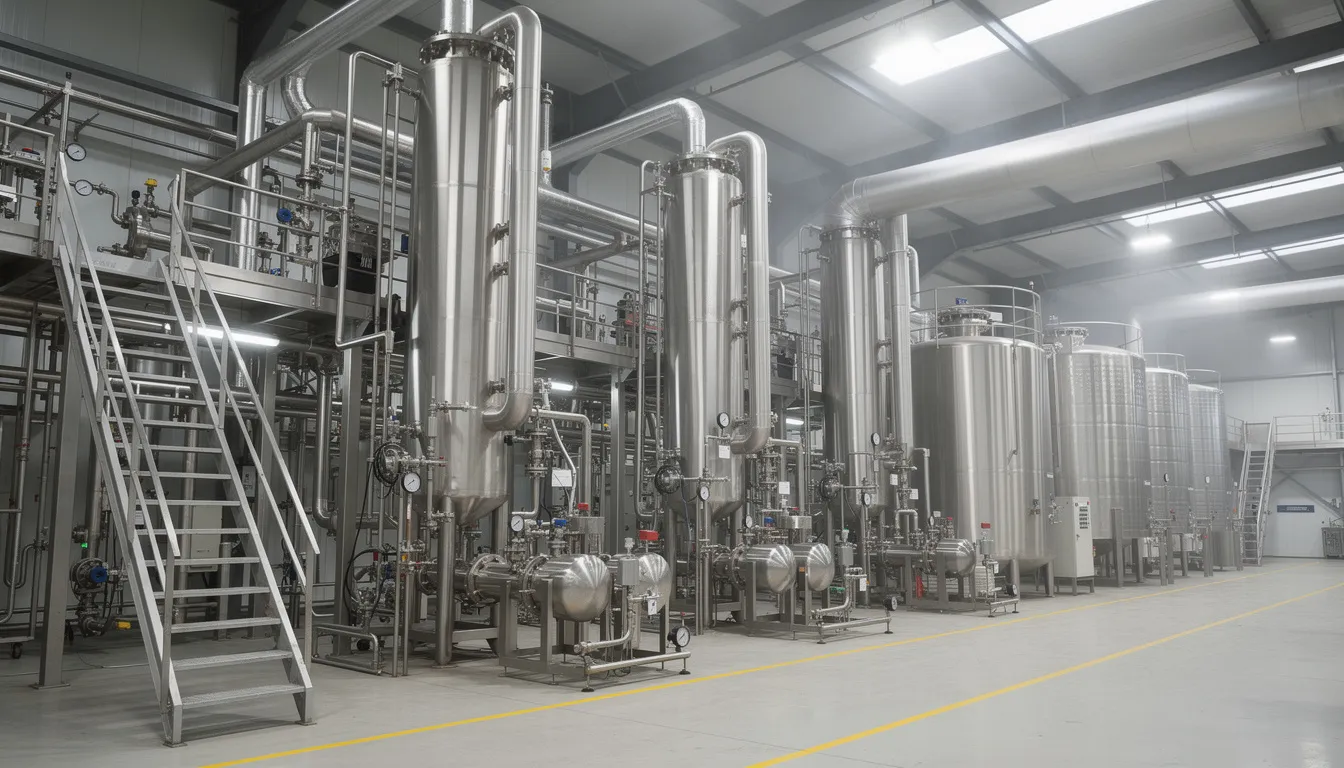
Stainless steel is renowned for its exceptional corrosion resistance, making it one of the most versatile and widely used materials in modern industry. This family of alloys is defined by the presence of chromium, which forms a passive oxide layer on the surface, protecting the material from rust and degradation in a wide range of environments. The addition of other elements such as nickel, carbon, and molybdenum further enhances the corrosion resistant properties and mechanical performance of stainless steel, allowing it to be tailored for specific applications.
Among the various types of stainless steel, austenitic grades stand out for their superior corrosion resistance, excellent mechanical properties, and ease of fabrication. Grades like 316 and 316L are particularly valued in industries where exposure to chloride environments is common, such as marine, chemical processing, and laboratory settings. The inclusion of molybdenum in these grades transforms them into marine grade stainless steel, providing enhanced protection against pitting and crevice corrosion. As a result, 316L stainless steel is often the material of choice for applications demanding both durability and maximum corrosion resistance, from petrochemical equipment to laboratory benches and beyond.
Properties of Austenitic Stainless Steel
Austenitic stainless steels, including 316 and its low carbon counterpart 316L, are prized for their combination of excellent corrosion resistance, mechanical properties, and outstanding formability. The austenitic structure, characterized by a face-centered cubic crystal lattice, imparts these materials with remarkable toughness—even at cryogenic temperatures—making them suitable for demanding applications such as heat exchangers and medical implants.
One of the defining features of austenitic stainless steel is its superior resistance to pitting and crevice corrosion in chloride environments. The presence of molybdenum in 316 and 316L further enhances this protection, making these grades particularly effective in combating corrosion in chloride-rich and marine settings. Additionally, austenitic stainless steels exhibit high resistance to stress corrosion cracking, a common failure mode in aggressive environments.
The low carbon version, 316L, offers a significant advantage for welded components. Its reduced carbon content prevents grain boundary carbide precipitation—also known as sensitisation—during welding or exposure to elevated temperatures. This immunity to harmful carbide precipitation ensures that welded joints retain their corrosion resistance without the need for post-weld heat treatment. The combination of excellent toughness, resistance to thermal expansion, and immunity to intergranular corrosion makes austenitic stainless steels like 316L a reliable choice for critical applications where both mechanical performance and corrosion resistance are paramount.
What is Stainless 316L Steel
Stainless 316L represents a sophisticated evolution in metallurgical engineering, designated as UNS S31603 under relevant and applicable standards. The “L” designation specifically indicates the extra low carbon analysis, with carbon content restricted to a maximum of 0.03%, compared to the standard 316 grade which allows up to 0.08% carbon.
This carbon reduction fundamentally alters the material’s behavior during thermal processing and welding operations. While the base metal composition remains similar to its parent grade, the lower carbon content prevents grain boundary carbide precipitation during exposure to elevated temperatures. The low carbon content of 316L specifically inhibits the formation of carbides at grain boundaries, which is critical in maintaining corrosion resistance after welding. This metallurgical advantage makes it immune to sensitization, a phenomenon that can compromise the corrosion resistance of welded components.
The austenitic structure of 316L provides excellent toughness even at cryogenic temperatures while maintaining stability during continuous service at elevated temperatures. Unlike ferritic or martensitic grades, this face-centered cubic crystal structure remains non-magnetic in the annealed condition and offers superior ductility for complex forming operations.
Compared to the ubiquitous 304 series, 316L delivers particularly higher resistance to corrosive environments through its molybdenum content. This addition transforms it into what industry references commonly term marine grade stainless steel, reflecting its enhanced performance in chloride-rich atmospheres and warm sea water applications.
Chemical Composition and Material Properties
The chemical composition of 316l stainless steel follows precise specifications that vary significantly across different standards, though core elements remain consistent. It is important to note that these standards and specifications are not necessarily identical across regions or organizations; minor differences may exist in allowable composition or properties. For example, while 316L (such as EN 1.4404) is often considered a direct equivalent to other international grades, these equivalents may not be exact matches in all properties or requirements. The chromium content typically ranges from 16.0-18.0%, providing the fundamental corrosion resistance through passive layer formation. Nickel content spans 10.0-14.0%, ensuring austenitic structure stability and contributing to the material’s excellent toughness.
The defining molybdenum content of 2.0-3.0% sets this grade apart from standard austenitic alloys. This element enriches the passive film and significantly improves resistance to pitting and crevice corrosion in chloride environments. The maximum carbon limit of 0.03% represents the most critical specification difference from standard 316, preventing harmful precipitation during welding and high-temperature exposure.
|
Element |
316L Range (%) |
316 Range (%) |
|---|---|---|
|
Carbon |
≤0.03 |
≤0.08 |
|
Chromium |
16.0-18.0 |
16.0-18.0 |
|
Nickel |
10.0-14.0 |
10.0-14.0 |
|
Molybdenum |
2.0-3.0 |
2.0-3.0 |
|
Manganese |
≤2.0 |
≤2.0 |
|
Silicon |
≤1.0 |
≤1.0 |
Mechanical properties of the material supplied in annealed condition typically show minimum yield strength around 170 MPa and tensile strength of approximately 485 MPa. These values represent conservative minimums, with actual properties often exceeding specifications. The elongation at break consistently exceeds 40%, demonstrating exceptional ductility for demanding forming operations.
Thermal expansion characteristics become critical in high-temperature applications, with the coefficient measuring approximately 15.9×10⁻⁶ m/m·°C from 20-100°C. This relatively high expansion rate requires careful consideration in fixed installations and temperature cycling applications.
Corrosion Resistance and Performance
The excellent corrosion resistance of 316L stems from its carefully balanced chemistry and the formation of a protective chromium-rich passive film. This nanometer-scale oxide layer forms spontaneously in oxidizing environments and provides self-healing properties when damaged, provided sufficient oxygen exists for repassivation.
In chloride environments, the molybdenum content becomes particularly crucial. Unlike 304 grades that suffer rapid pitting in marine atmospheres, 316L demonstrates good resistance to localized attack in warm chloride environments. The enhanced passive film stability prevents pit initiation at chloride concentrations that would quickly compromise lesser grades.
Intergranular corrosion resistance represents one of the most significant advantages over standard 316. The low carbon content prevents sensitization during welding operations, eliminating the need for post weld annealing in most applications. This characteristic proves invaluable for heavy gauge welded components where solution heat treatment becomes impractical.
Crevice corrosion in chloride environments remains a consideration, particularly in stagnant conditions or under deposits. However, the molybdenum enhancement provides substantially better performance than non-molybdenum bearing austenitics. Practical experience in marine applications shows reliable service in splash zones and intermittent service conditions where 304 grades fail rapidly.
The material demonstrates particular resistance to reducing acids, including sulfuric and phosphoric acid solutions under specific concentration and temperature ranges. This performance makes it valuable in chemical processing where mixed chemistry environments challenge conventional stainless grades.
Stress corrosion cracking susceptibility exists in hot chloride solutions under sustained tensile stress, similar to other austenitic grades. However, the superior pitting resistance often translates to improved SCC performance by reducing pit-initiated cracking mechanisms.
Heat Treatment and Thermal Expansion
Heat treatment plays a vital role in optimizing the properties of stainless steel, particularly in enhancing its corrosion resistance and mechanical characteristics. For austenitic stainless steels such as 316 and 316L, heat treatment is typically used to relieve stresses or restore ductility after cold working, rather than to harden the material. These grades are not hardenable by heat treatment, but solution annealing at high temperatures can dissolve any precipitated carbides, ensuring the material maintains its excellent corrosion resistance.
An important consideration during heat treatment is thermal expansion. Austenitic stainless steels have a relatively high coefficient of thermal expansion compared to other metals, which means they can experience significant dimensional changes when exposed to temperature fluctuations. This property must be carefully managed in the design and manufacturing of components that require precise tolerances or will operate under varying thermal conditions. Understanding the interplay between heat treatment, thermal expansion, and mechanical properties is essential for engineers and fabricators to ensure that stainless steel components perform reliably in service, especially in applications where both corrosion resistance and dimensional stability are critical.
Applications and Industries
Chemical processing represents the largest application sector for 316l stainless steel, where its combination of mechanical properties and corrosion resistance proves indispensable. Heat exchangers, pressure vessels, and process piping handling organic acids, chlorinated compounds, and mixed chemistry streams rely on its reliable performance. The material’s stability in both oxidizing and reducing environments makes it suitable for complex chemical processes where material selection margins are critical.
Marine and offshore applications capitalize on the chloride resistance, though proper environmental assessment remains essential. Fasteners, deck hardware, and structural components in coastal architecture benefit from its atmospheric corrosion resistance. However, continuous immersion in warm sea water or crevice conditions may require more highly alloyed alternatives.
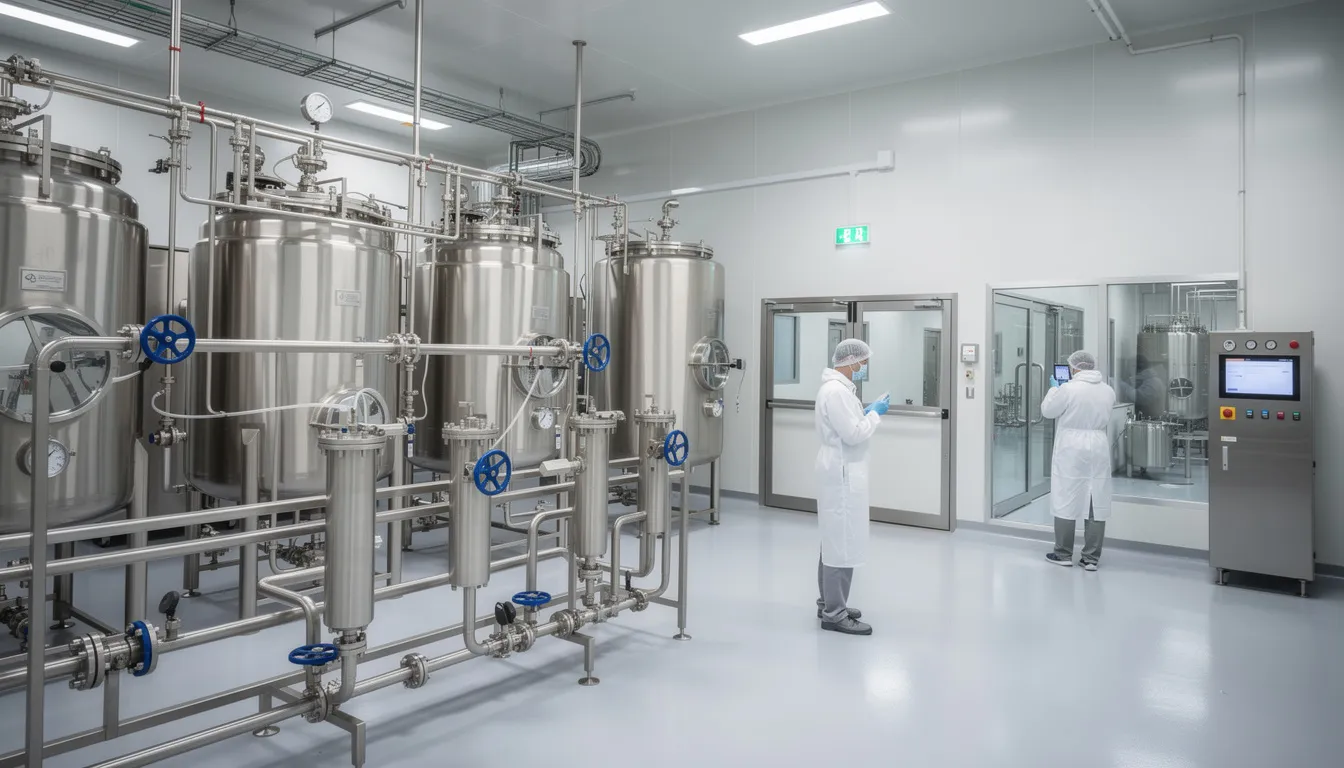
Pharmaceutical and food processing industries extensively utilize 316L for equipment requiring frequent cleaning and sterilization. The smooth, non-porous surface resists bacterial adhesion while maintaining integrity under aggressive cleaning protocols. High-purity variants with controlled sulfur and inclusion content serve critical biopharmaceutical applications where product contamination risks must be minimized. In these sectors, typical products sold include bars, sections, tubes, and sheets, which are manufactured to meet stringent industry standards and specifications.
Medical implants represent a specialized but commercially important application sector. The biocompatibility and corrosion resistance in body fluids make it suitable for orthopedic plates, screws, and temporary implants. While not the most advanced biomedical alloy available, its established performance and cost-effectiveness maintain its relevance in specific medical applications.
Architectural applications in polluted urban environments showcase the material’s aesthetic durability. Building facades, handrails, and decorative elements maintain appearance while resisting atmospheric corrosion better than 304 grades. The excellent formability enables complex architectural features while ensuring long-term performance with minimal maintenance.
Available Forms and Specifications
Bar and section products represent the most commonly sought forms, available in round, square, and hexagonal profiles. Precision ground rounds with H9/H10 tolerances serve machining applications requiring tight dimensional control. Hot rolled and cold finished options provide flexibility for different strength and surface finish requirements.
Tube products span structural and precision categories, with seamless and welded variants available. Sanitary tubing for pharmaceutical applications features enhanced surface finishes and controlled chemistry for critical fluid systems. Instrumentation tubing serves analytical and control applications where corrosion resistance and pressure capability are paramount.
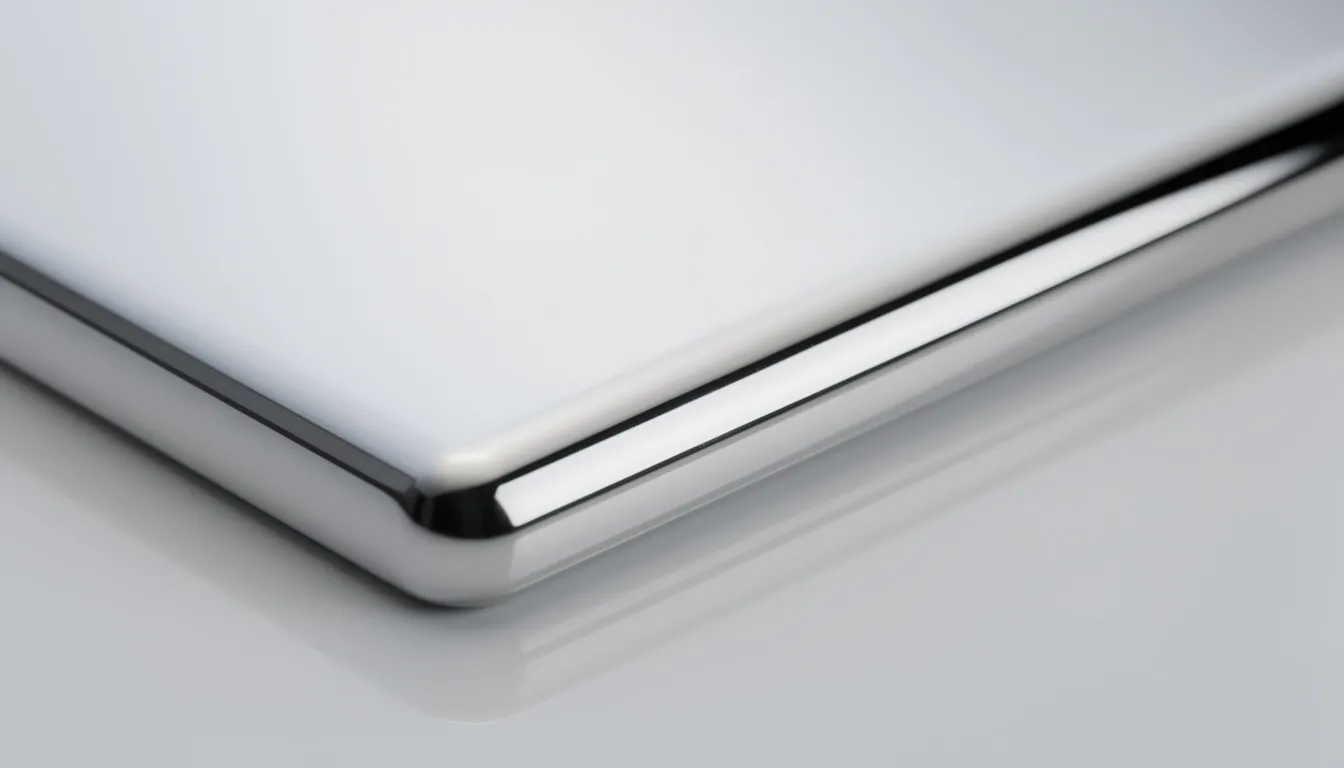
Sheet products offer extensive finish options, from standard 240 grit to mirror and super mirror finishes. Specialized variants include fiber optic laser coating preparation for precision optics applications. Thickness ranges accommodate everything from thin gauge decorative panels to heavy plate for pressure vessel construction.
Product dimensions vary significantly based on the manufacturer’s capabilities and market demands. Standard specifications reference ASTM, EN standards, and other recognized industry references, though expect specifications to differ between suppliers. The company specifically excludes warranties expressed or implied regarding dimensional tolerances beyond published standards.
Property data from manufacturers should be verified against applicable standards, as the company’s current conditions of supply necessarily vary from general reference material. When critical applications demand tight specifications, direct consultation with material suppliers ensures compatibility with project requirements.
Welding and Fabrication Considerations
TIG arc welding represents the preferred joining method for 316l stainless steel, offering superior control over heat input and atmospheric protection. The process requires high-purity argon shielding to prevent oxidation and maintain the material’s corrosion resistant properties. Contamination from oxygen or moisture can significantly degrade weld quality and subsequent corrosion performance.
Filler metal selection proves critical for maintaining corrosion resistance in the weld zone. Matching or slightly over-alloyed compositions ensure the molybdenum content remains consistent throughout the joint. Under-alloyed filler metals create a weak link that compromises the entire assembly’s performance in corrosive service.
Heavy gauge welded components over 6mm thickness particularly benefit from the low carbon composition. The absence of sensitization risk eliminates the need for post-weld solution annealing, reducing fabrication costs and avoiding distortion in complex assemblies. This advantage becomes especially valuable in pressure vessel and structural applications where post weld annealing proves impractical.
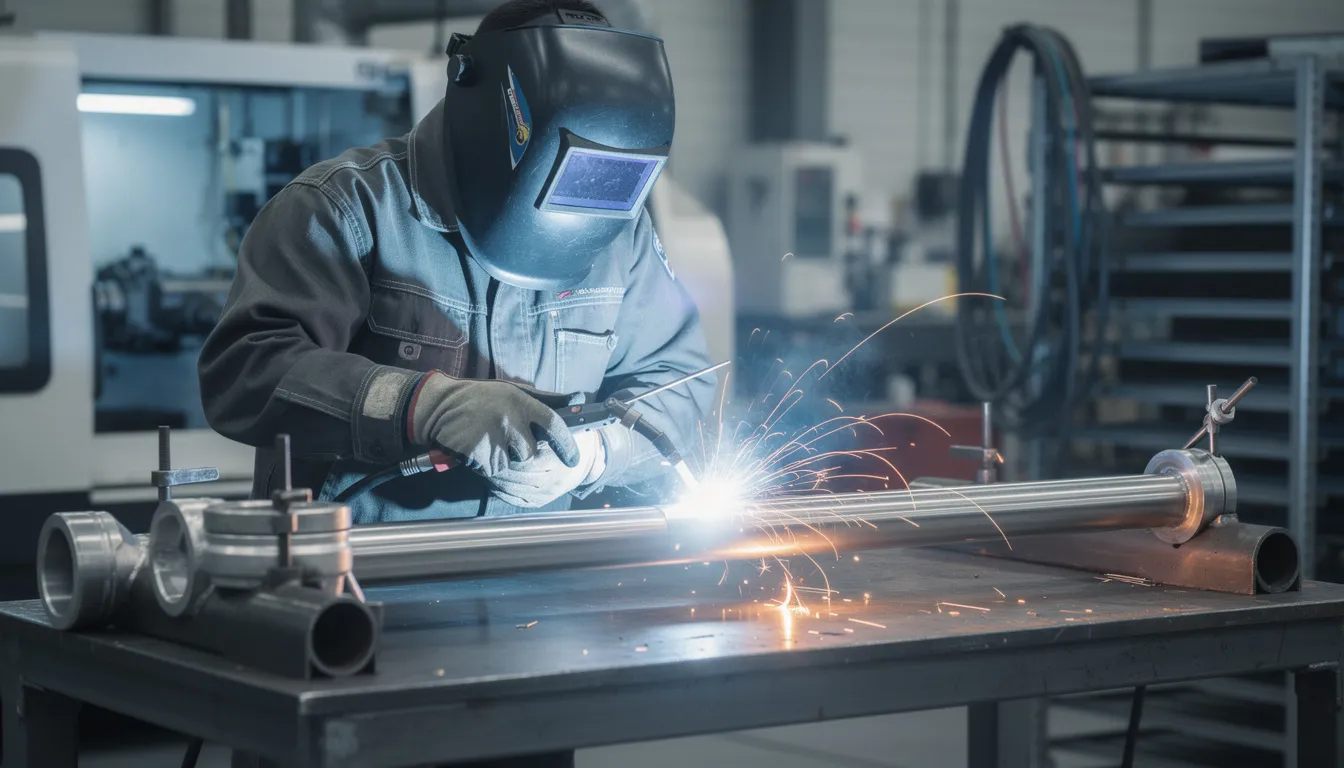
Heat treatment requirements remain minimal for most welding applications. The as-welded condition typically provides adequate corrosion resistance for service, though stress relief treatments may benefit highly restrained structures. Proper inter-pass temperature control prevents excessive heat accumulation that could compromise mechanical properties.
Welding consumable storage requires attention to moisture control, as hydrogen pickup can lead to porosity and reduced ductility. Flux-cored and stick electrodes need proper conditioning, while solid wire and TIG rods should be protected from atmospheric moisture during storage and handling.
316 Stainless Steel Machining and Processing - Mechanical Properties
Machining characteristics of 316L require specific considerations due to its work-hardening tendencies and austenitic structure. Lower cutting speeds combined with heavier feed rates prevent work hardening ahead of the cutting edge, which can rapidly dull tools and create poor surface finishes. Sharp cutting tools and consistent feed rates prove essential for optimal results.
Coolant selection impacts both tool life and surface quality. Sulfur-based cutting fluids should be avoided as sulfur compounds can compromise corrosion resistance. Water-soluble coolants or synthetic alternatives provide adequate cooling while maintaining material integrity.
Tool selection favors carbide or cobalt-enhanced high-speed steel grades designed for stainless steel machining. Positive rake angles reduce cutting forces and heat generation, extending tool life and improving surface finish. Chip breakers become important for controlling long, stringy chips that can interfere with the cutting process.
The material’s excellent formability enables complex forming operations at room temperature. Deep drawing, bending, and stretching operations benefit from the high ductility and work-hardening characteristics. However, spring-back considerations require compensation in tooling design for precise dimensional control.
Cold working significantly increases strength properties while reducing ductility. Quarter-hard, half-hard, and full-hard conditions provide progressively higher strength for applications requiring enhanced mechanical properties. These conditions sacrifice formability for strength, requiring careful material selection based on fabrication requirements.
Present knowledge of machining parameters continues evolving with tool technology advances. Manufacturers data should be consulted for specific grade variants, as chemistry modifications for improved machinability may affect corrosion performance. The party’s assistance in optimizing machining parameters often proves valuable for challenging applications.
FAQ
What is the main difference between 316 316L stainless steel?
The primary difference lies in carbon content - 316L contains a maximum of 0.03% carbon compared to 316’s 0.08% limit. This reduction makes 316L immune to sensitization during welding and high-temperature exposure, eliminating the risk of intergranular corrosion without requiring post-weld heat treatment. While mechanical properties remain similar, 316L offers superior weldability and as-welded corrosion resistance.
Can 316L stainless steel be used in cryogenic applications?
Yes, 316L maintains excellent toughness and mechanical properties at cryogenic temperatures. The austenitic structure remains stable and ductile even at extremely low temperatures, making it suitable for liquid nitrogen, LNG, and other cryogenic applications. Unlike ferritic or martensitic stainless steels, 316L does not become brittle at low temperatures.
Why is molybdenum important in 316L composition?
Molybdenum significantly enhances resistance to pitting and crevice corrosion, particularly in chloride environments. It enriches the passive film and improves its stability under aggressive conditions. The 2-3% molybdenum content transforms 316L from a general-purpose stainless steel into a marine-grade material capable of handling seawater, brines, and chloride-containing industrial processes.
What welding filler metal should be used with 316L?
Use filler metals with matching or slightly higher molybdenum content to maintain corrosion resistance in the weld zone. Common choices include ER316L for TIG welding and E316L-16 for stick welding. The filler metal should meet or exceed the base metal’s alloy content to prevent the weld from becoming a weak point in corrosive service.
Is 316L suitable for food processing equipment?
Absolutely. 316L is widely used in food and pharmaceutical processing due to its excellent corrosion resistance to cleaning chemicals and sanitizing agents. The smooth, non-porous surface resists bacterial adhesion and facilitates thorough cleaning. Its resistance to organic acids and chloride-containing cleaning solutions makes it ideal for dairy, beverage, and food processing applications where hygiene is paramount.
Conclusion
Stainless 316L stands out as a premier choice for applications demanding maximum corrosion resistance, mechanical strength, and reliability in challenging environments. Its low carbon content, enhanced by molybdenum, delivers superior performance in chloride environments, making it the preferred material for marine grade stainless steel, chemical processing, and medical implants. The austenitic structure ensures excellent toughness and formability, while immunity to grain boundary carbide precipitation makes it ideal for welded components without the need for post-weld heat treatment. By understanding the unique properties and processing considerations of 316L stainless steel, engineers and designers can confidently select this material for projects where durability, safety, and long-term performance are non-negotiable.